
Can Film Funds Keep Up? Rethinking Policy for a Changing Audiovisual Industry
Over the past decade, many film funds have expanded beyond their traditional remit towards a broader audiovisual field that increasingly includes television series, transmedia development, and, in some contexts, video games. At the same time, the sector has been reshaped by platform-driven business models, faster development cycles, shifting audience behavior, and technological change moving more quickly than most regulatory frameworks were designed to absorb. The result is a growing gap between the speed at which the industry evolves and the pace at which policy and public funding structures can adapt. When new laws, funding structures, and support schemes are introduced, are they simply responding to pressures that are already visible, or are they capable of anticipating the next phase of change? Can existing frameworks respond to cross-border financing, new models of intellectual property, and forms that do not fit neatly within established categories? How should funds balance institutional stability with the need for experimentation and reform? How public institutions respond to these questions will shape far more than the efficiency of funding systems. It will determine whether they can continue to protect cultural ambition while also influencing the conditions in which the next generation of European audiovisual work is created, owned, financed, and brought to audiences.
SPEAKERS
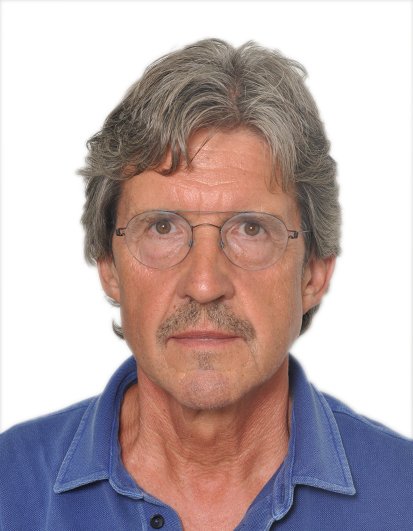
Christopher Peter Marcich
Director, HAVC (HR)
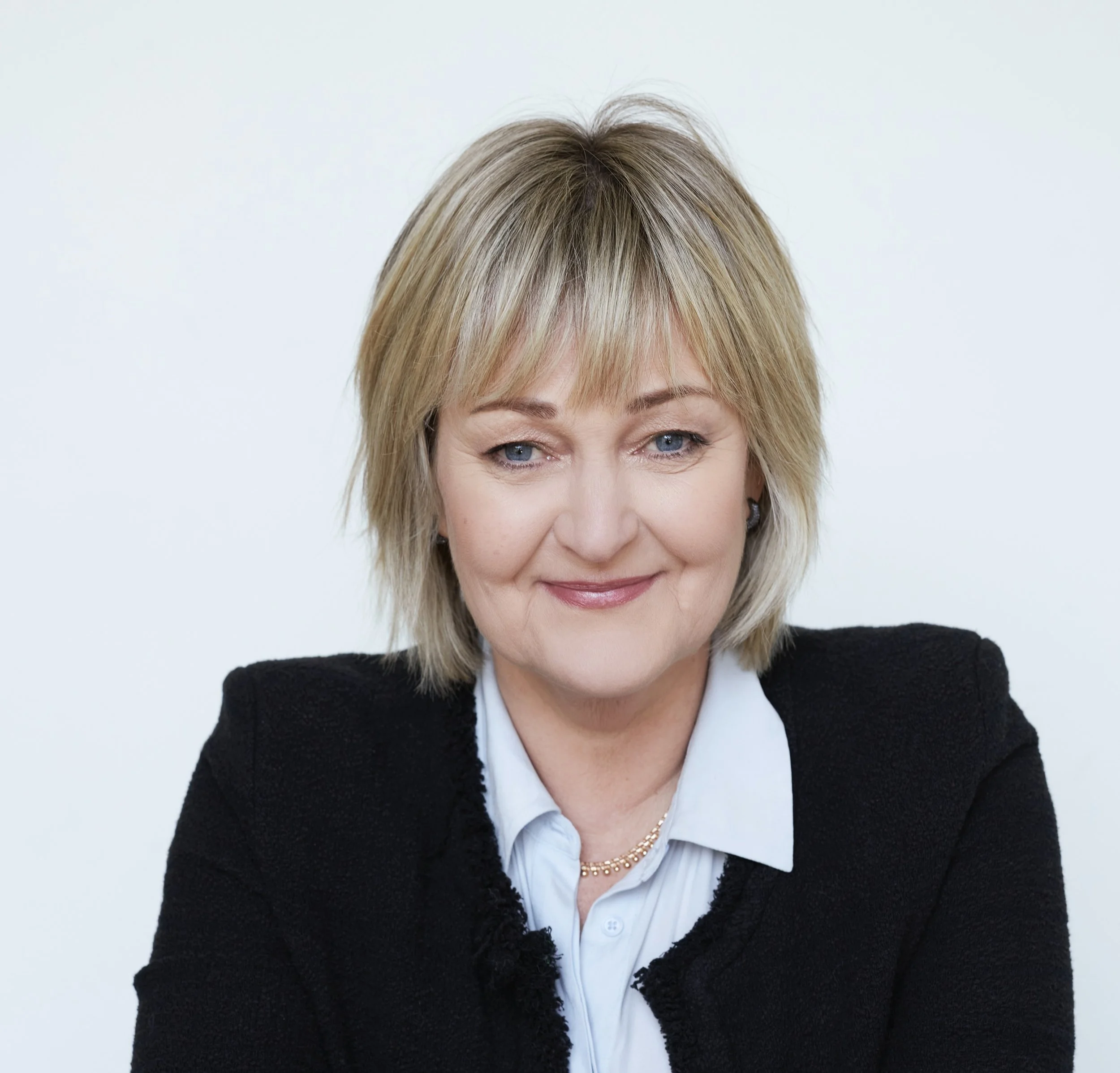
Edith Sepp
CEO, Estonian Film Institute (EE)
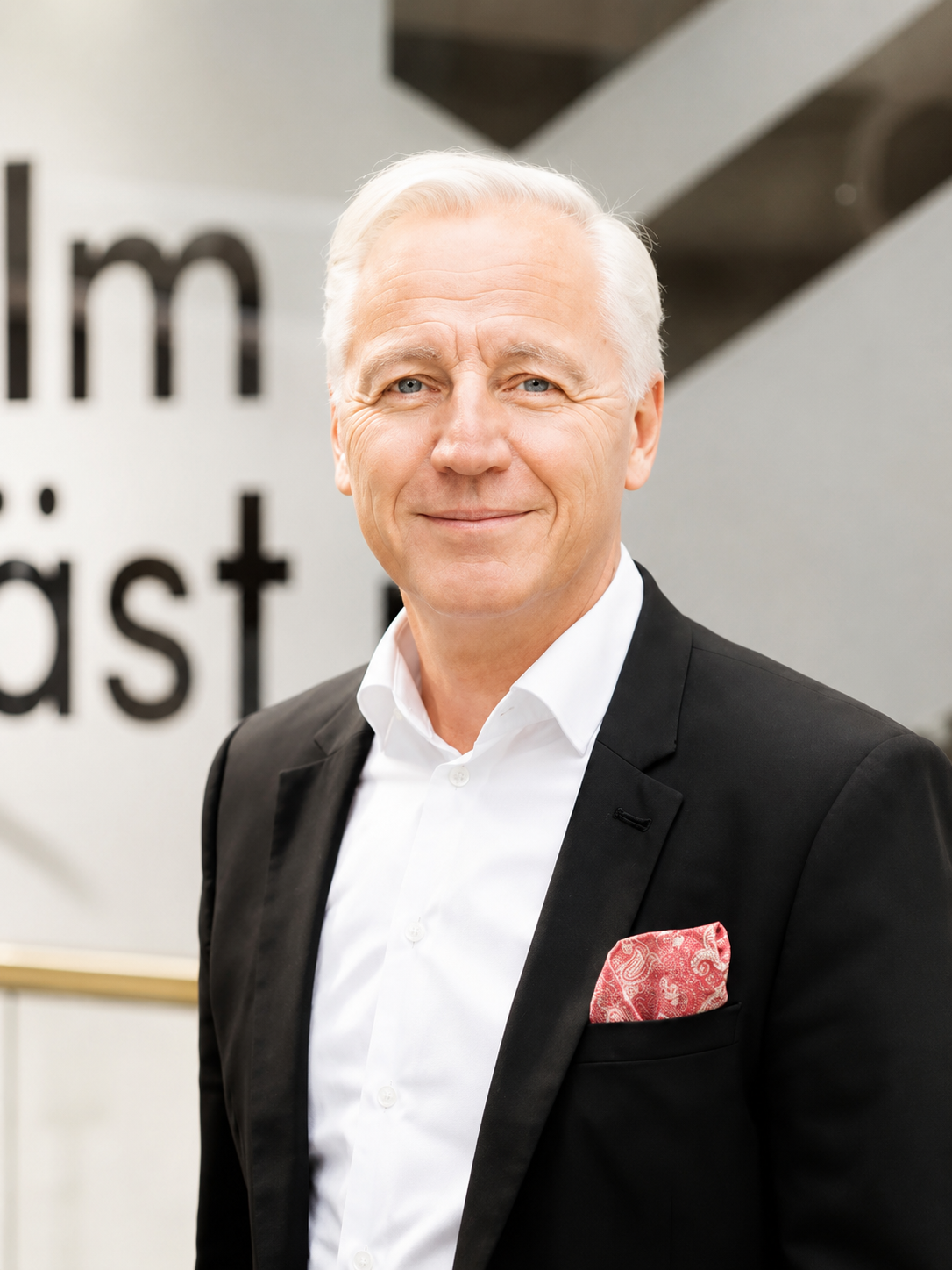
Mikael Fellenius
CEO, Film i Väst (SE)
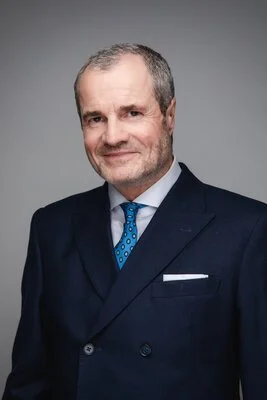
Roland Teichmann
CEO, Austrian Film Institute (AT)
Alex Traila
Programme Manager Series Co-Productions, Council of Europe (FR)
MODERATED BY
TIME
August 19th, 2026
12:00 – 13:00 (CET)
LOCATION
Festival Garden
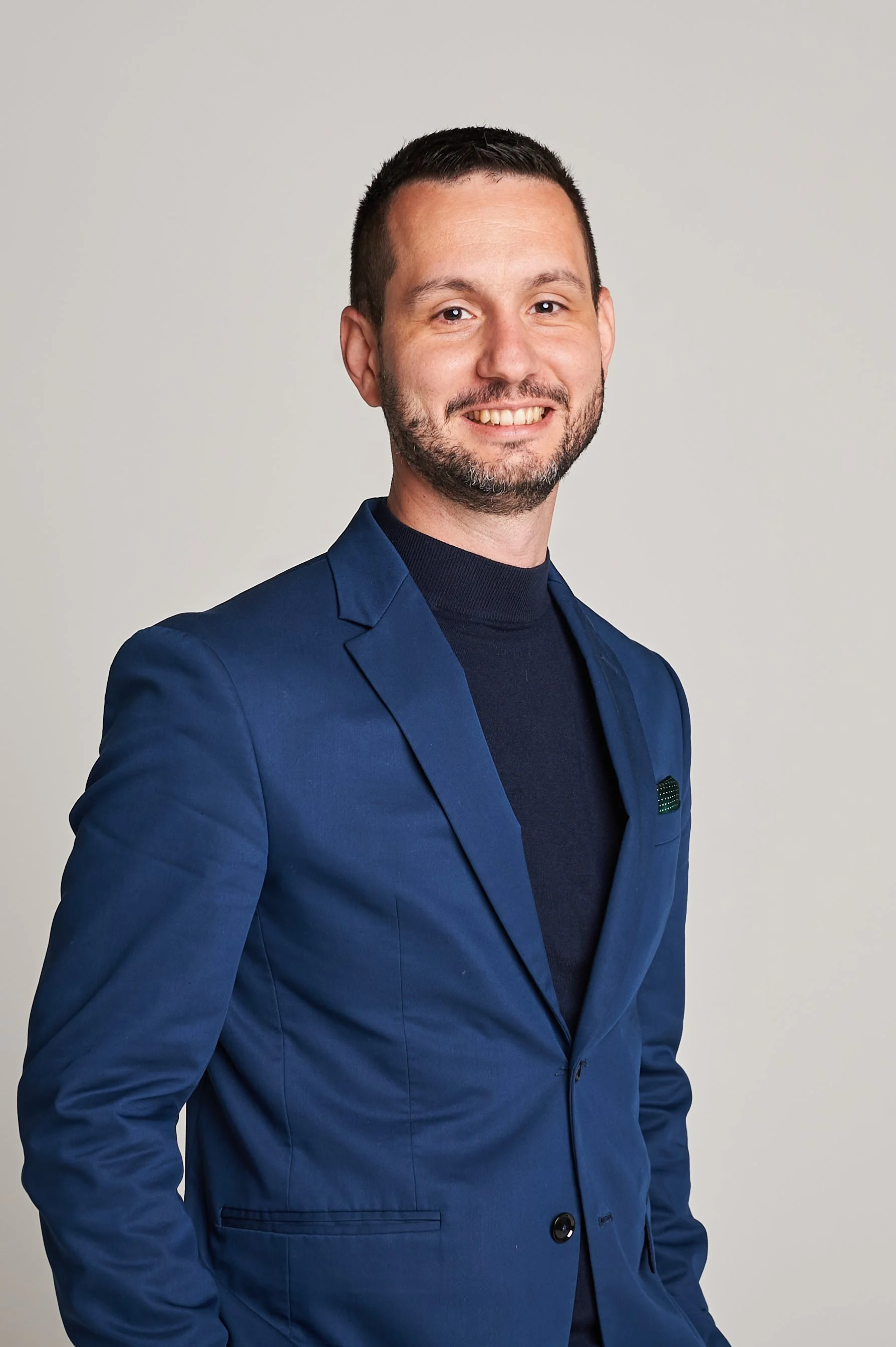
Christopher Peter Marcich
Chris Marcich was appointed Chief Executive Officer of the Croatian Audiovisual Centre (HAVC) in 2019. HAVC is the central public institution responsible for supporting Croatia’s audiovisual sector through funding schemes and the development of national audiovisual policy. HAVC is a public institution dedicated to fostering audiovisual production and promoting audiovisual culture. In December 2023, Marcich was elected President of the European Film Agency Directors Association (EFAD). In this role, he is actively involved in shaping European audiovisual policy and addressing key industry issues at the EU level. Since 2013, he has also served as President of the Association of International Collective Management of Audiovisual Works (AGICOA). From 1995 to 2015, he served as President of the Motion Picture Association (MPA) for Europe, the Middle East and Africa. Following this, he relocated to Croatia. During his time at the MPA, one of his primary objectives was to strengthen relations between the European and US audiovisual industries. Before joining the MPA, Chris spent sixteen years in the US Government, negotiating international trade agreements and shaping trade policy. He concluded his public service as Assistant United States Trade Representative (USTR) for Europe, the Middle East and Africa, overseeing US trade relations with the region. Prior to that, he held the newly created position of Assistant USTR for Trade and Environment, leading pioneering efforts initiated by Vice President Al Gore to integrate environmental and public health principles into international trade policy. Marcich holds both Croatian and US citizenship. He earned his master’s degree from Georgetown University and is fluent in Croatian, English, and French, with working knowledge of Italian and Spanish.
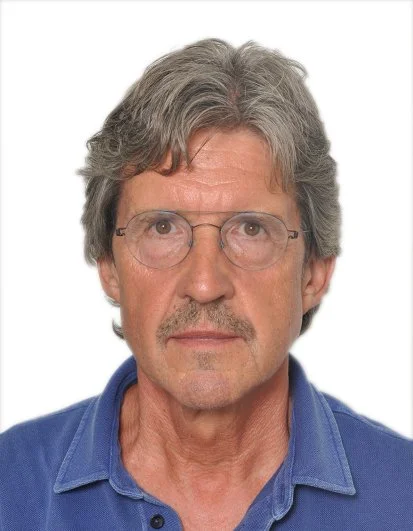
Edith Sepp
A film and television director with experience in creative and strategic leadership, Edith Sepp began her career in the late 1980s at the state-owned Tallinnfilm studio, working with Estonian and international productions. After earning an MA in film and television drama in the UK, Sepp worked as a director and producer in Britain and Estonia. In 2010, she became Film Advisor to the Estonian Minister of Culture, leading the development of Estonia's film strategy to 2030. Since 2013, as CEO of the Estonian Film Institute, she has overseen its operations, introduced the Film Estonia rebate, launched the Estonian Film and Television Awards, strengthened film heritage and audience design, overseen the building of a studio complex, and promoted Estonian cinema internationally.
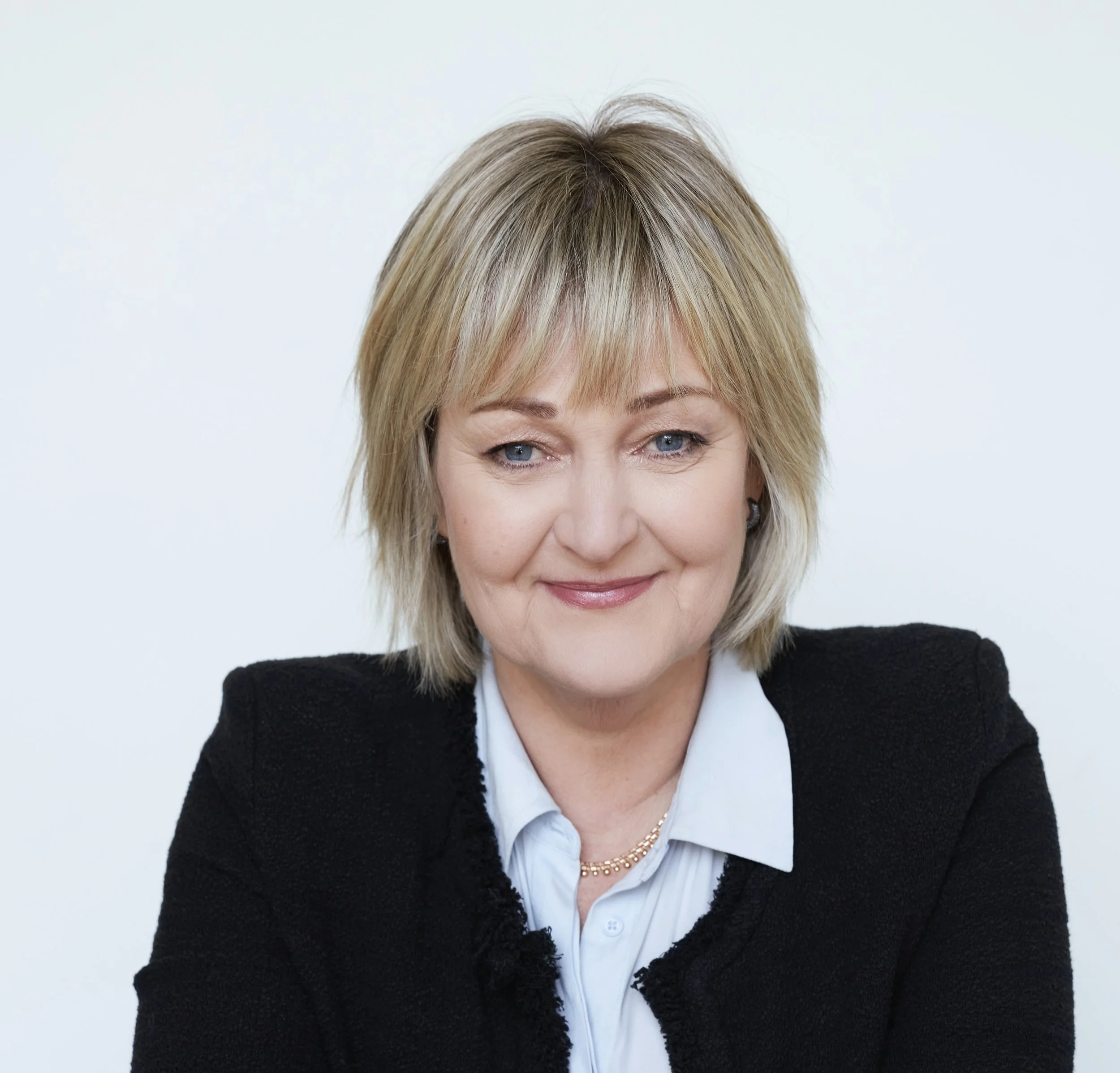
Roland Teichmann
CEO of the Austrian Film Institute since May 2004. At the end of 1999, Roland Teichmann started to work at the Austrian Federal Economic Chamber as lawyer in the Industry Department. In 2001, he went on to become general manager of the Association of the Audiovisual and Film Industry, a body representing the interests of the Austrian film and music industry at the Federal Economic Chamber. Later on he was appointed CEO of the Austrian Film Institute.
So far, Roland Teichmann has had among others the following functions: Member of the board of the Austrian Film Commission, Austrian representative of the International Producers Association (FIAPF), representative and board member for Austria at EFAD (European Film Agency Directors), chairman of the advisory board of the Television Film Fund managed by the Austrian communication regulatory authority RTR and member of the European Film Academy (EFA). Roland Teichmann used to teach for many years film funding and financing at the University of Music and Performing Arts Vienna. In 2008, he was appointed to a knight of arts and literature by the French Republic und co-wrote and edited the Handbook of State Aid for Film (Springer Nature 2018) .
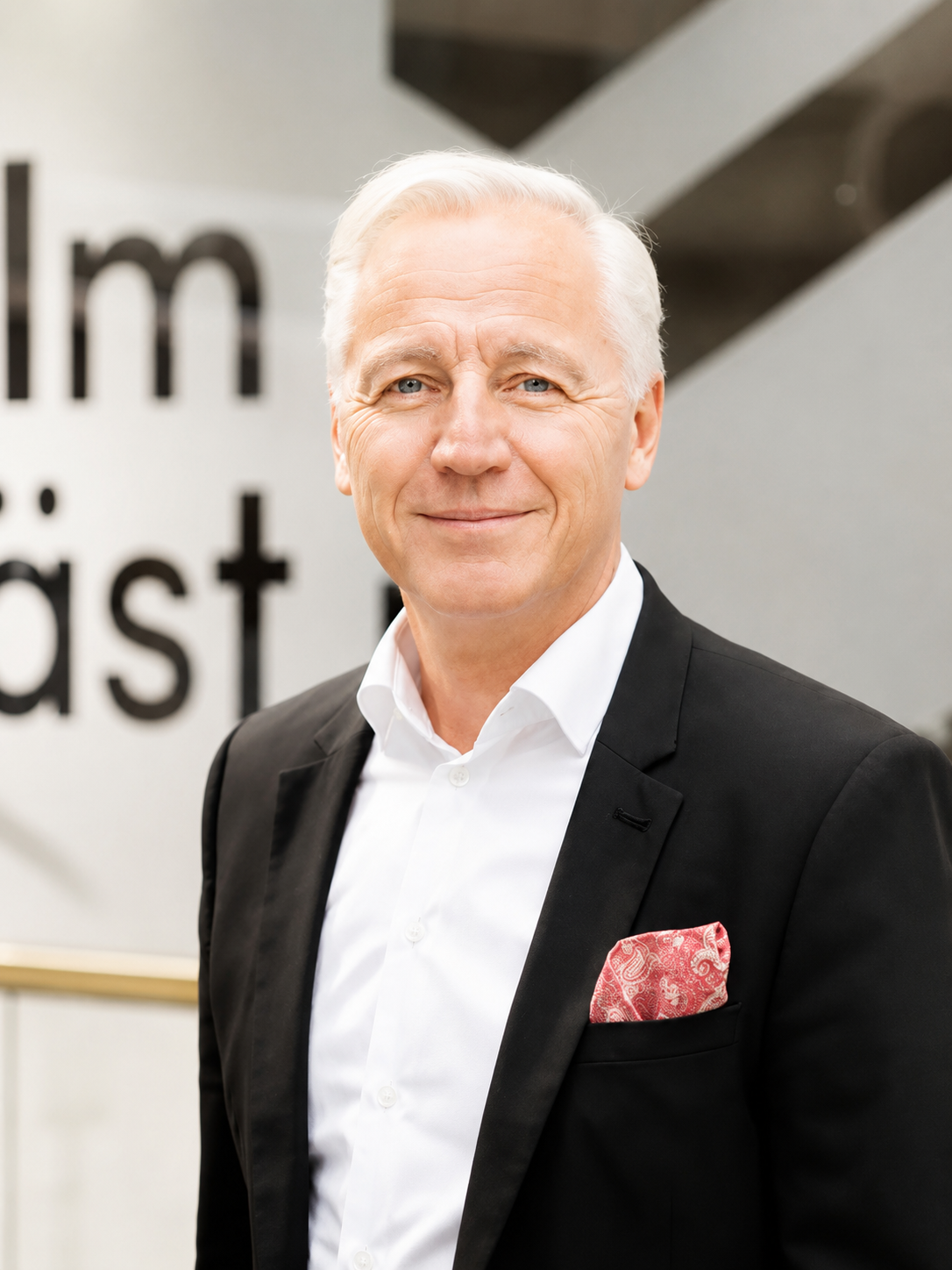
Mikael Fellenius
Mikael Fellenius is CEO of Film i Väst, business strategist, and author specialising in strategic planning, organisational development, and financing. He works at the intersection of public policy, business development, and the audiovisual industry, building international partnerships and developing sustainable financing models that strengthen film and high-end television production.
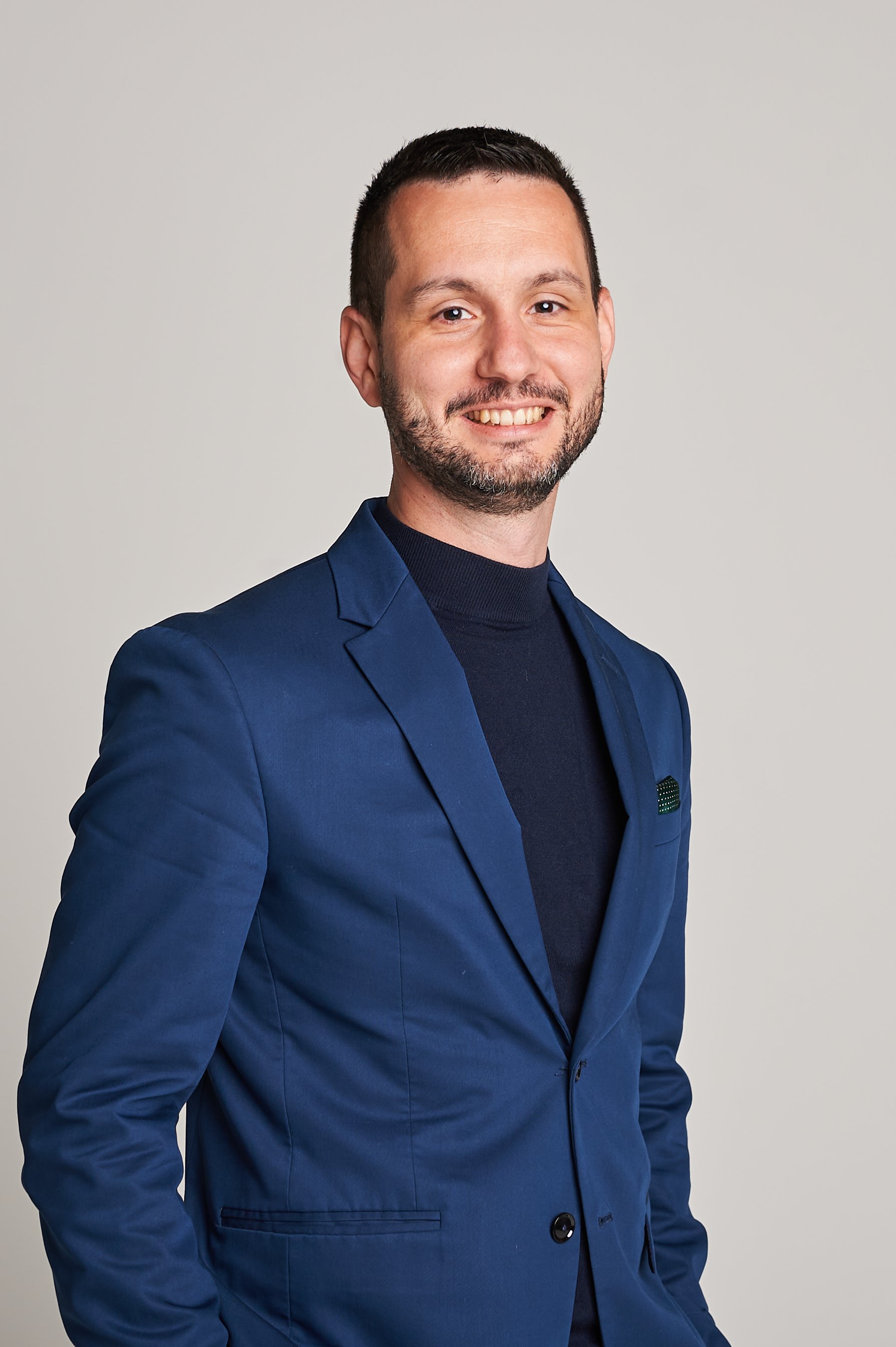
Alex Traila
Alex Traila holds a PhD in European audiovisual policy and is a European audiovisual policy expert with over fifteen years of experience in the film industry and in governmental affairs. His work is driven by a particular interest in audiovisual works that generate meaningful cultural impact and that contribute to cultural diversity and cross-border dialogue. He is currently Programme Manager for the Pilot Programme for Series Co-Productions at the Council of Europe, where he is actively involved in developing and implementing measures to strengthen the co-production practices of international series.