
Building Screen Sector Workforce Capacity in Bosnia and Herzegovina and across the wider Western Balkans
While the Western Balkans screen sector is gaining visibility and production momentum, structural workforce challenges, predominantly due to skills gaps and shortages, limit its ability to scale into a mature, competitive regional industry. Rising production demands, compressed timelines and limited mid-level talent continue to intensify existing shortages and highlight calls for strategic interventions for skills development and training across the region.
Global screen sector consultancy, Olsberg•SPI, partnered with the Sarajevo Film Festival (SFF) to analyse the screen sector’s skills gaps and challenges faced by the workforce in Bosnia and Herzegovina, as well as across the wider Western Balkans region. This included a light-touch review of SFF’s CineLink skills development and training programmes in addressing these gaps and challenges.
Olsberg•SPI Consultant Joshua Dedman will present the project's key findings on regional skills development and training gaps. This will be followed by an expert panel featuring representatives from the film agencies of Montenegro, Kosovo and North Macedonia, alongside Olsberg•SPI, discussing the findings and practical, place-based solutions
SPEAKERS
Lum Çitaku
CEO, Kosovo Cinematography Center (KS)
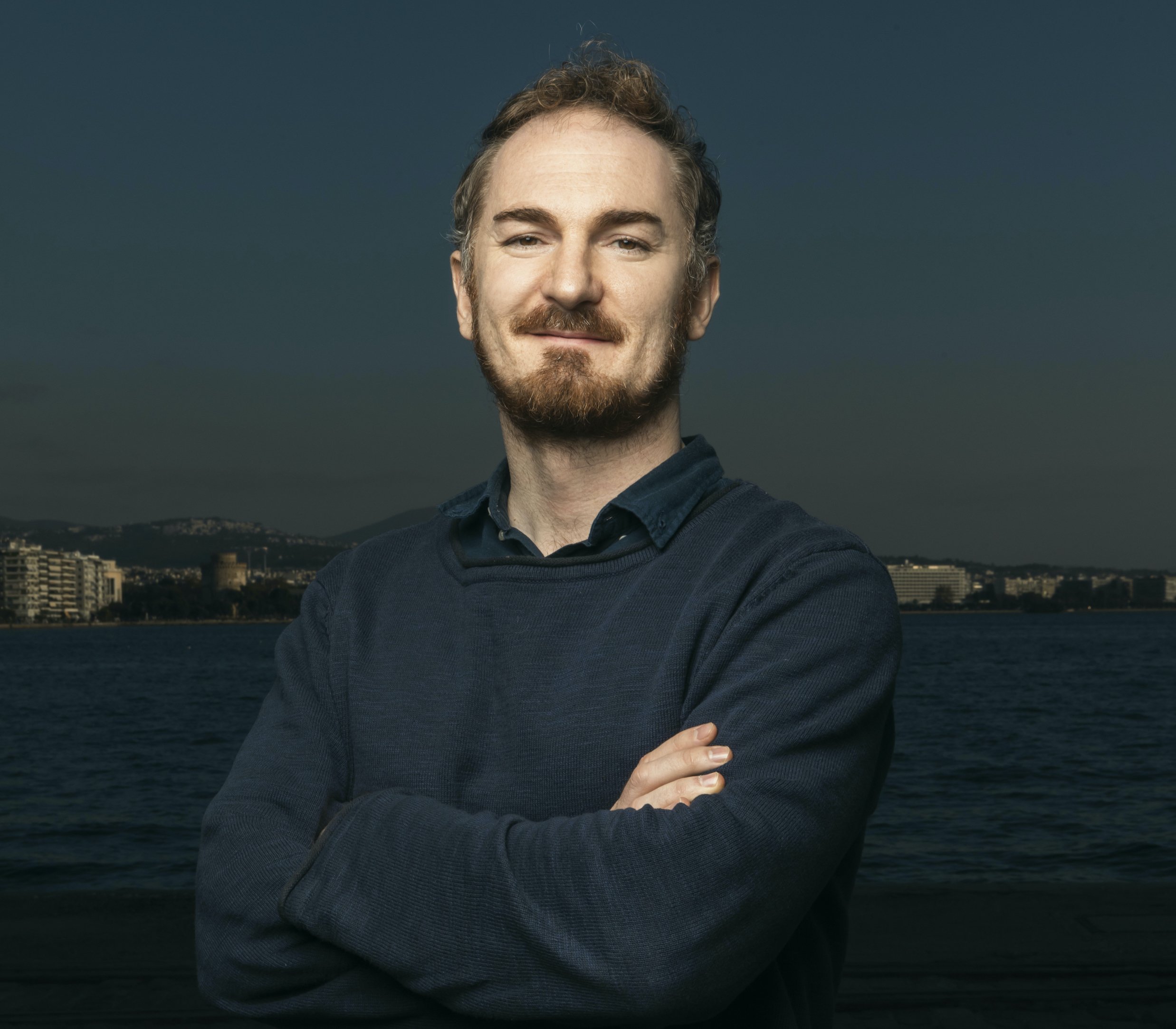
Emma Openshaw
Senior Research Analyst, Olsberg SPI (UK/ZA)

Joshua Dedman
Consultant, Olsberg SPI (UK)

Nataša Bučar
Managing Director, Slovenian Film Center (SI)
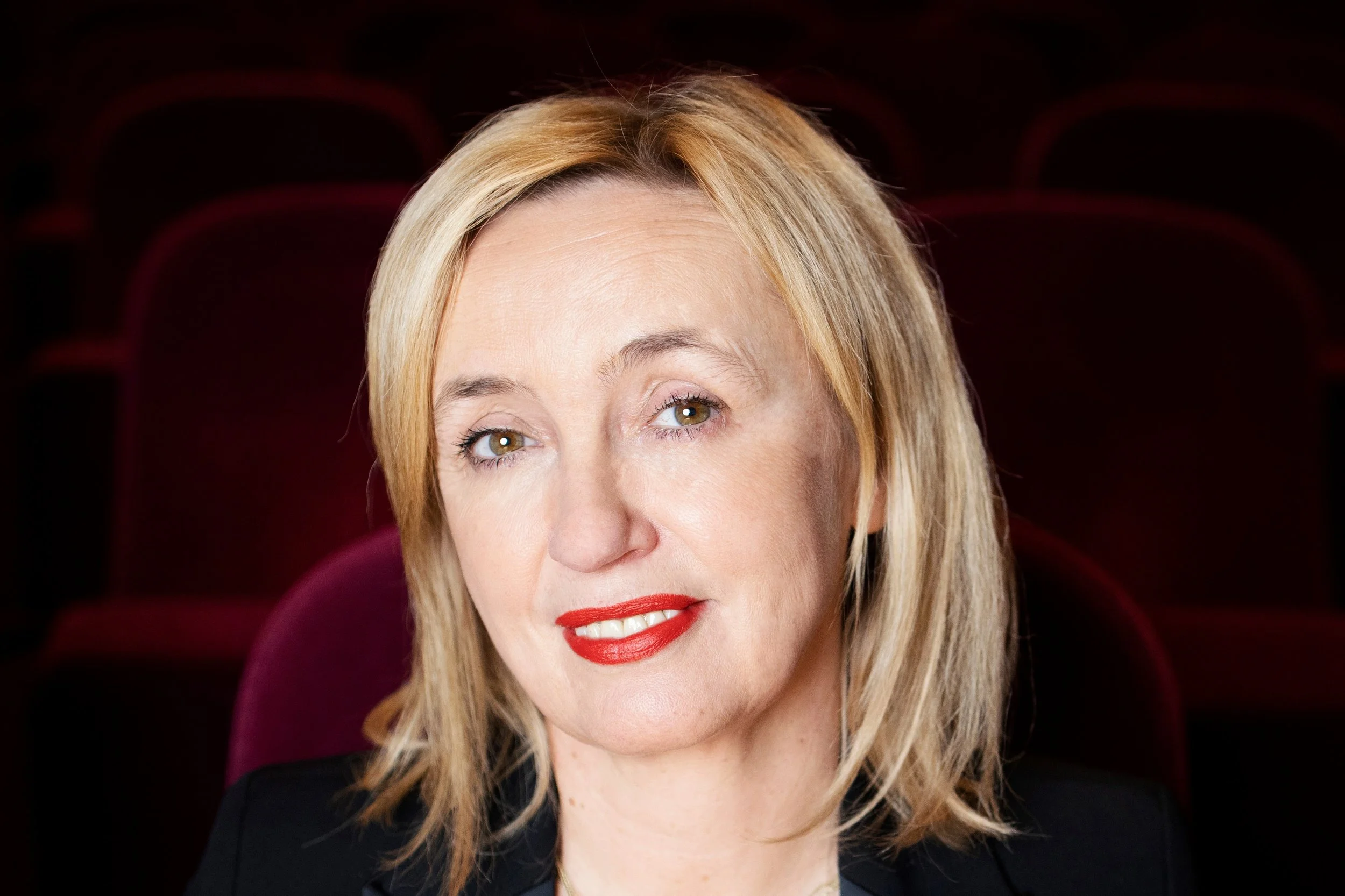
Sanja Jovanović
Head of Programme and Policies, Film Centre of Montenegro (ME)

MODERATED BY
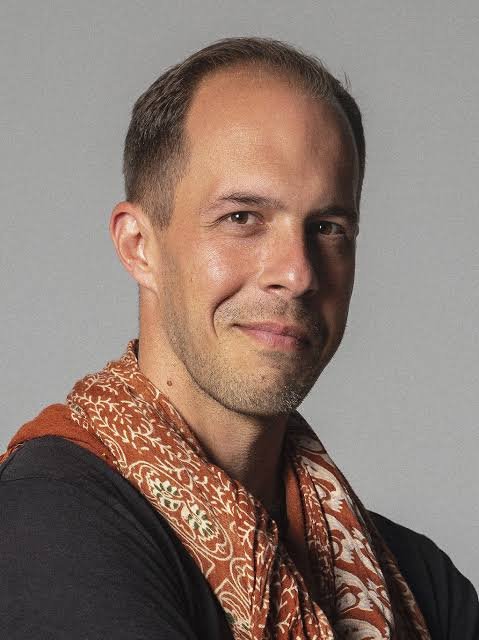
Milan Stojanović
Producer, Faculty of Drama Arts Belgrade (RS)
TIME
August 18th, 2026
12:30 – 13:30 (CET)
LOCATION
Festival Garden

Sanja Jovanovic
Sanja Jovanović, producer. Since April 2018, she has been employed at the Film Center of Montenegro, as a Head of Programmes and Policies, where she is focused on the implementation of the National Cinematography Development Program and the harmonization of programs and policies with European practice and regulations, as well as on research in the field of the film industry. She is the representative of Montenegro in EURIMAGES and the European Audiovisual Observatory. As an associate professor, she teaches Audiovisual Production at the Faculty of Design and Multimedia, University of Donja Gorica, Department of Film and Media. She is currently completing her doctoral thesis on the topic of female authorship in contemporary film.
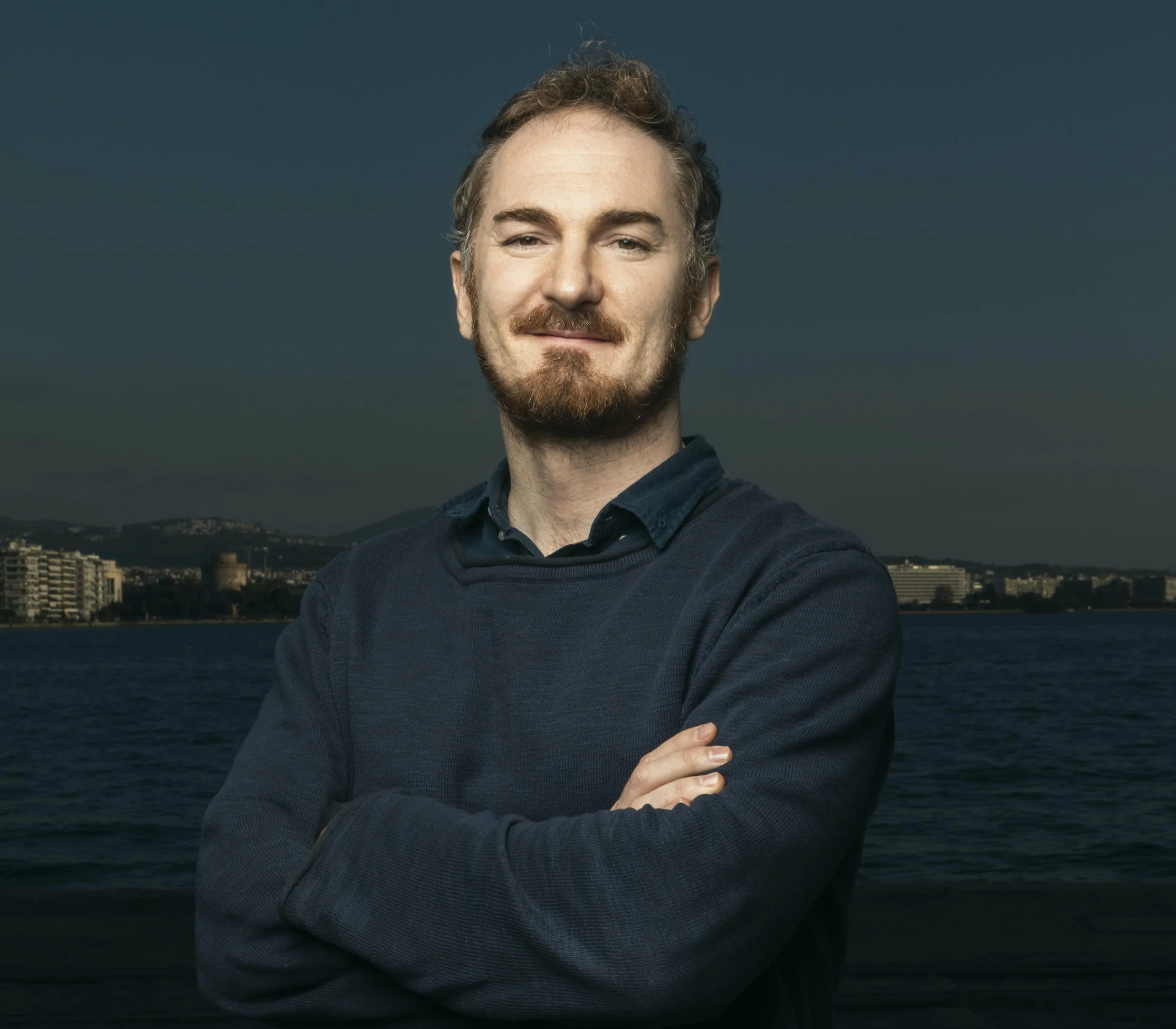
Lum Çitaku
Lum Çitaku has over two decades of experience as a filmmaker, visual and media artist, and more than ten years as a researcher, alongside work in film policy and international film cooperation. He has contributed extensively to film, new media, and anthropologically informed projects as a creative director, researcher, producer, and lecturer.
He holds a Master's degree in Visual and Media Anthropology from Freie Universität Berlin and a BSc from the Rochester Institute of Technology Kosovo, where he lectures on and through new media studies, anthropology, film, and design, with his work situated at the intersection of anthropology and art, integrating creative experimentation with academic inquiry.
During his Master's studies (2014–2017), undertaken within the subdiscipline of Digital Anthropology, he developed his Dialectics and Aesthetics of Creating with the Digital: An Anthropology of Interface - a tempo-historic phenomenological inquiry combining multisited and sensory ethnography, digital ethnography, and an interactive film project investigating the lives and creative practices of digital artists and creators. Lum continues to explore the anthropology–art juncture through sensory, affective, and participatory ethnographic methodologies, most recently through his research project Ontological Epistemologies: An Anthropology of Consciousness, Sentience, and Intimacy in the Thick of the AI Turn. Former Director of the Kosovo Cinematography Center, Lum is also a member of the European Film Academy. His notable works include Machinima-film (2016), The Numerous Thoughts and Things (interactive film, 2017), Women of Liberty (2018), among others.

Emma Openshaw
Emma Openshaw is Senior Research Analyst at Olsberg SPI, where she works across the firm’s screen-sector portfolios, combining analytical evaluations with extensive hands‑on production experience. Since joining SPI in 2021, she has contributed to projects including Creative England’s Local Economic Impact Toolkit, bespoke capacity assessments for sectors in the United States, and workforce skills forecasting for the BFI. Her work spans global markets, from studies for the Netherlands Film Fund to economic impact analysis in Fiji, the Gulf, and Southern Africa. Openshaw also has expertise in virtual production, AI applications, and forecasting emerging technology trends that are shaping the screen industries. Previously, she was Broadcast Director and Senior Producer at WildEarth, as well as a producer across television and feature films in South Africa. She holds an MBA from the University of Oxford and an honours degree in Screen Production from the University of C.

Joshua Dedman
Joshua Dedman is a Consultant at Olsberg SPI, a creative industries research consultancy, specialising in the global screen sector. He delivers strategic projects for governments, film commissions, festivals, and industry organisations worldwide, covering screen-sector strategy, economic impact, skills, infrastructure, incentives, and artificial intelligence. Dedman acted as Project Director for Olsberg SPI’s skills study for the Sarajevo Film Festival’s CineLink Industry Days programme, assessing its role in addressing screen-sector skills gaps across Bosnia and Herzegovina and the Western Balkans. He presents the study’s key findings at the festival this year.
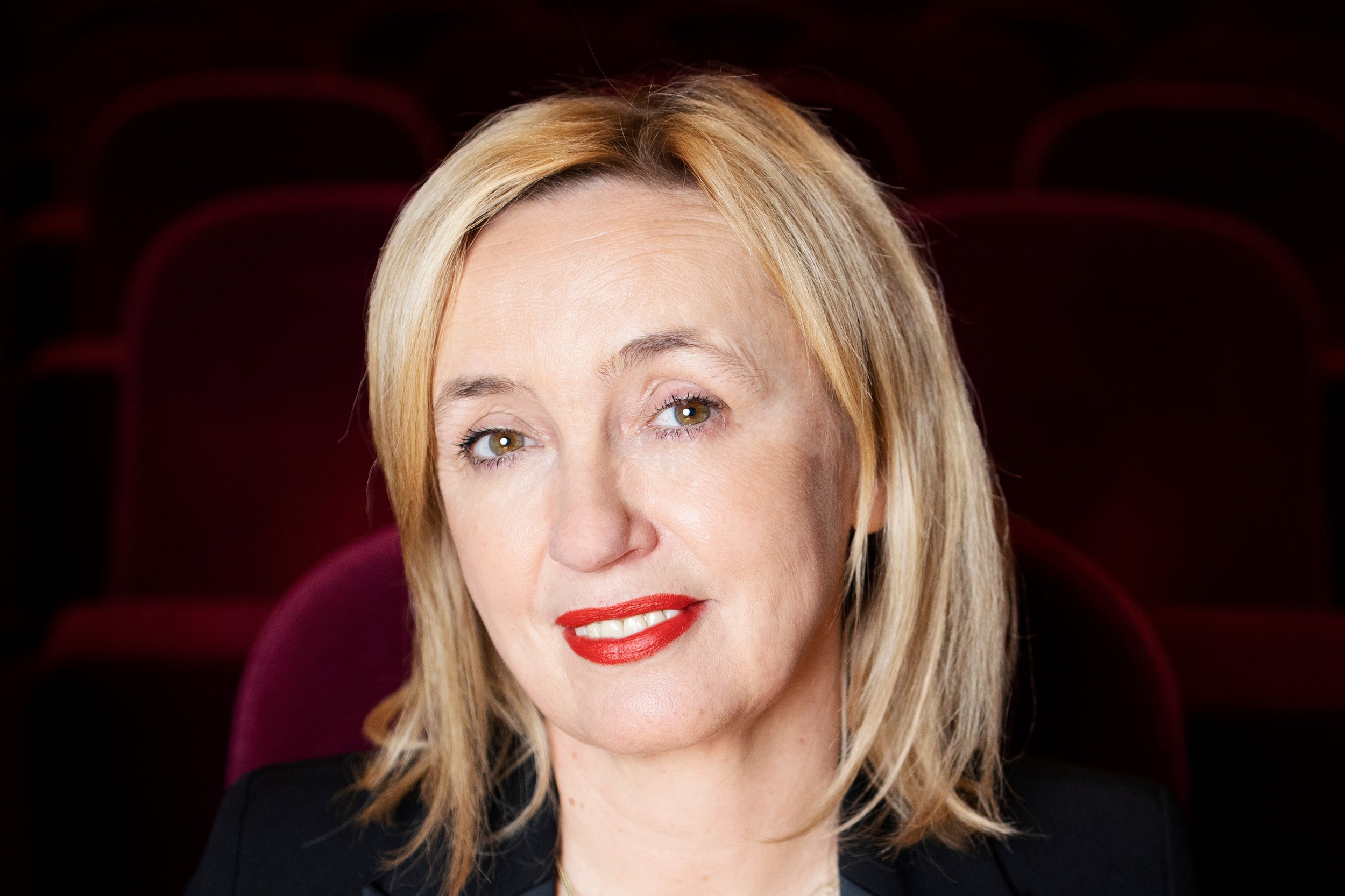
Natasa Bučar
Nataša Bučar is the Managing Director of the Slovenian Film Center, a public agency of the Republic of Slovenia, a position she has held since 2016. She was reappointed for a second five-year term in December 2021, continuing her leadership of Slovenia's central film institution. Prior to this role, she managed the Ljubljana International Film Festival (LIFFe), the largest international film festival in Slovenia, and was responsible for film distribution activities at Cankarjev dom, an important cultural center and independent arthouse distributor. Her earlier professional experience includes serving as Director of the Festival of Slovenian Film, Assistant Director of the Slovenian Film Fund, and General Director of the Media Directorate at the Ministry of Culture of the Republic of Slovenia. In 2016, she worked as a Marketing.
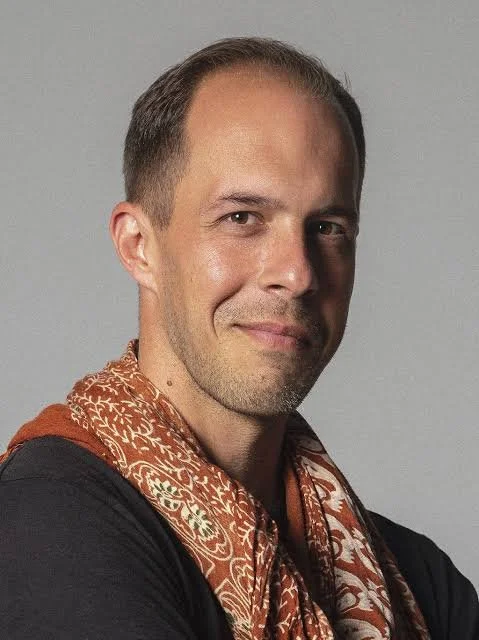
Milan Stojanović
Milan Stojanović produced the youth hit film HOW I LEARND HOW TO FLY (2022 / 250.000 admissions / ECFA Award BUFF Malmo) and the Serbian re-make of the Dutch children series TALKING HEADS (2024-2025). He also produced OASIS (2020 / Best European Film, Venice Days) and BARBARIANS (2014 / Special Mention, Karlovy Vary IFF).He co-produced HOUSEKEEPING FOR BEGINNERS (2023 / Queer Lion, Venice), MALMKROG (2020 / Golden Bear Plaque, Berlinale), and the drama series THE LAST SOCIALIST ARTEFACT (2021 / Best Drama Series, International Panorama, Series Mania). Milan teaches Film Producing at Faculty of Dramatic Arts in Belgrade. He is a member of ACE and EAVE, as well as the European Film Academy. Since 2020, he is EAVE’s National coordinator for Serbia.