
Culture on Screen: What Are We Not Measuring?
In partnership with Council of Europe, Pilot Programme for Series Co-Productions
In an audiovisual landscape increasingly shaped by ratings, streaming numbers, algorithms, and visibility metrics, an important question remains: what do film and television series generate in society that cannot be easily measured? The panel will bring together leading representatives of European public broadcasters and audiovisual institutions to discuss the broader cultural and democratic impact of television storytelling. While audience reach and platform performance remain important reference points, they rarely capture the ways in which series shape public discourse, influence historical understanding, contribute to collective memory, or create shared cultural reference points across borders. Focusing particularly on contemporary European television series, the panel will explore how audiovisual storytelling resonates beyond measurable consumption. Through concrete examples, the discussion will address the role of series in opening conversations around social and political issues, reflecting changing European realities, and contributing to pluralism, freedom of expression, and cultural dialogue. At a moment when the audiovisual sector is increasingly confronted with questions of performance, saturation, and visibility, the panel asks whether current evaluative models are sufficient to understand the full significance of audiovisual work, particularly within the context of public service media and culturally driven storytelling.
SPEAKERS
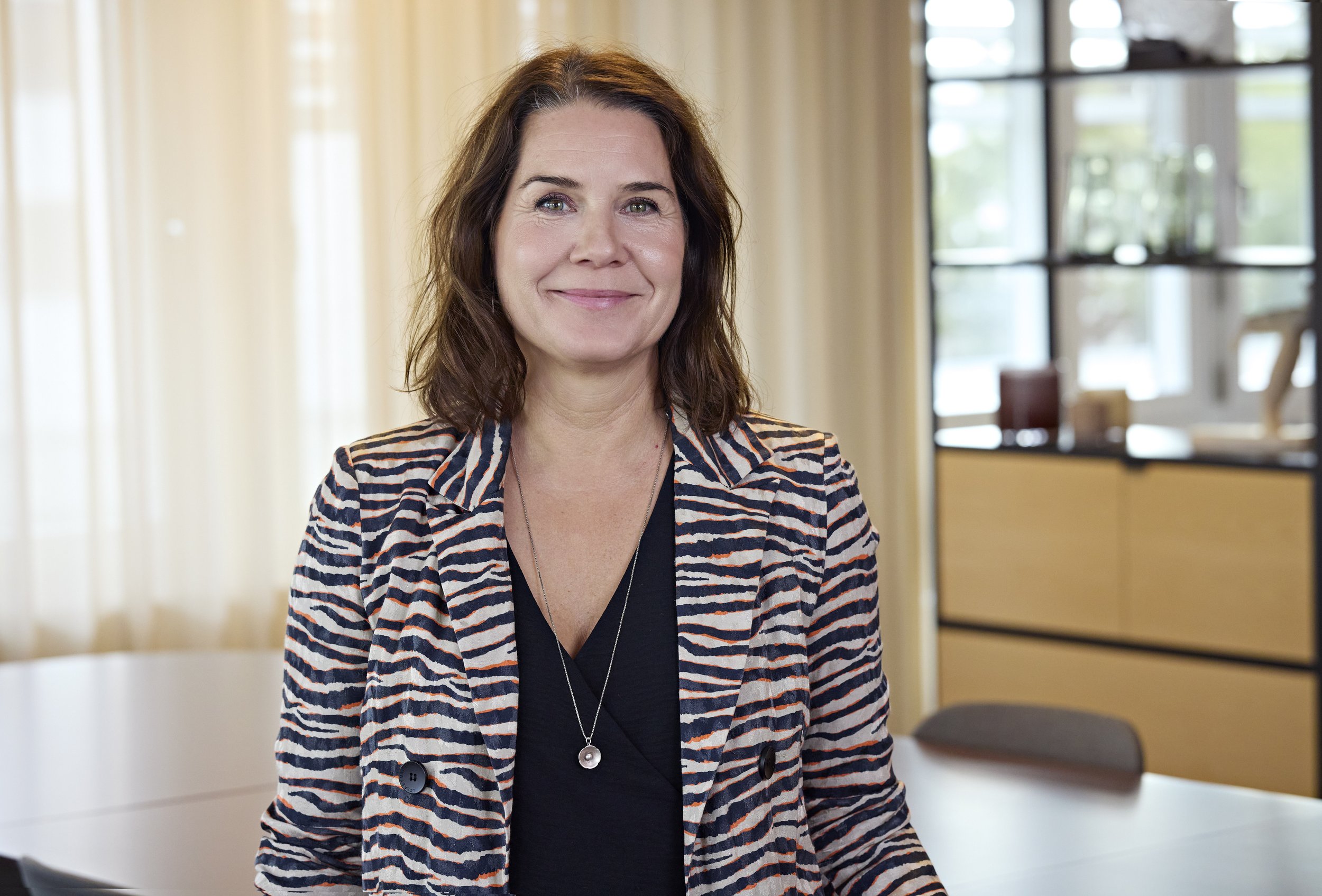
Johanna Gardare
Head of Drama & Film at Swedish Television (SVT)
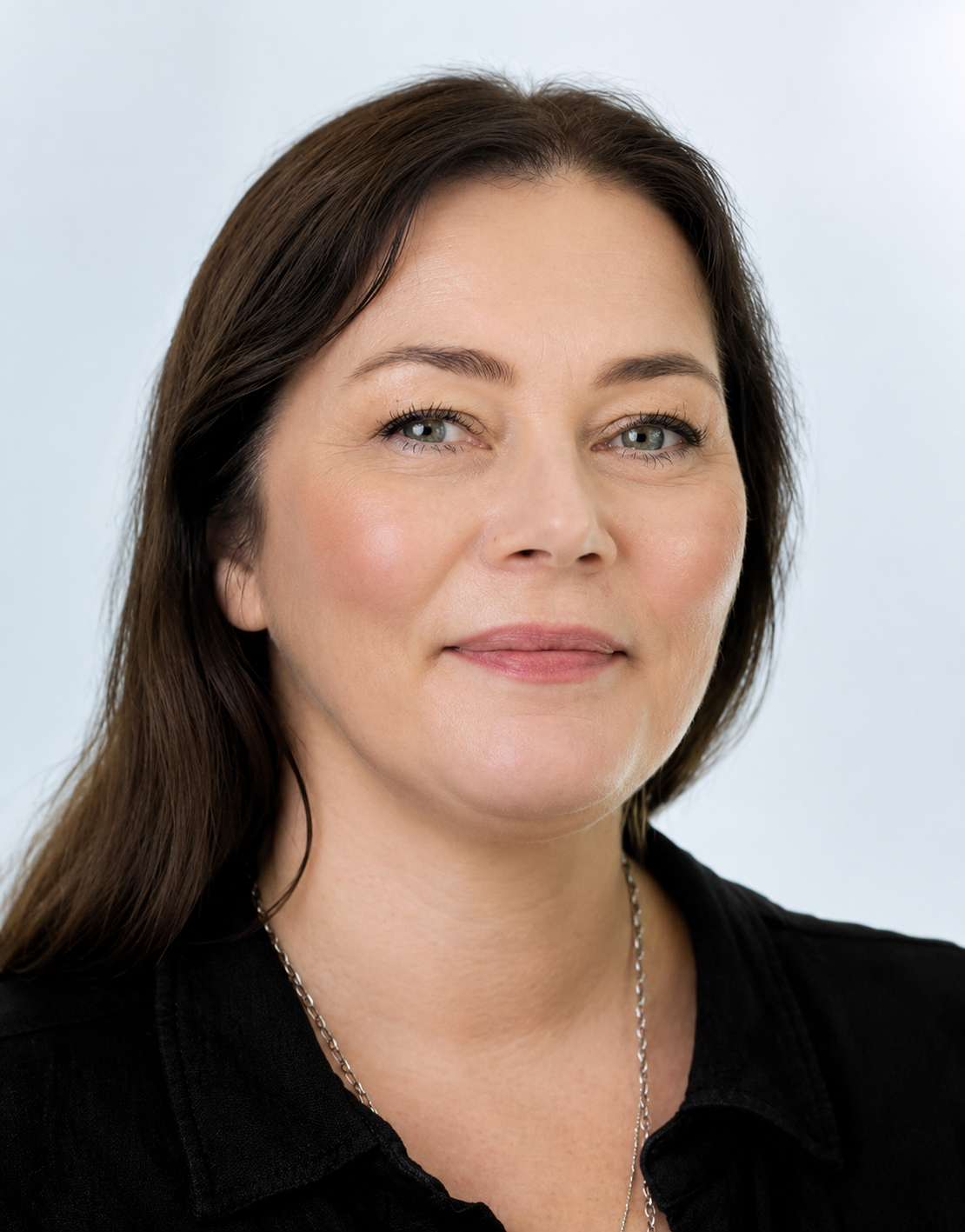
Marianne Furevold-Boland
Head of Drama, NRK (NO)
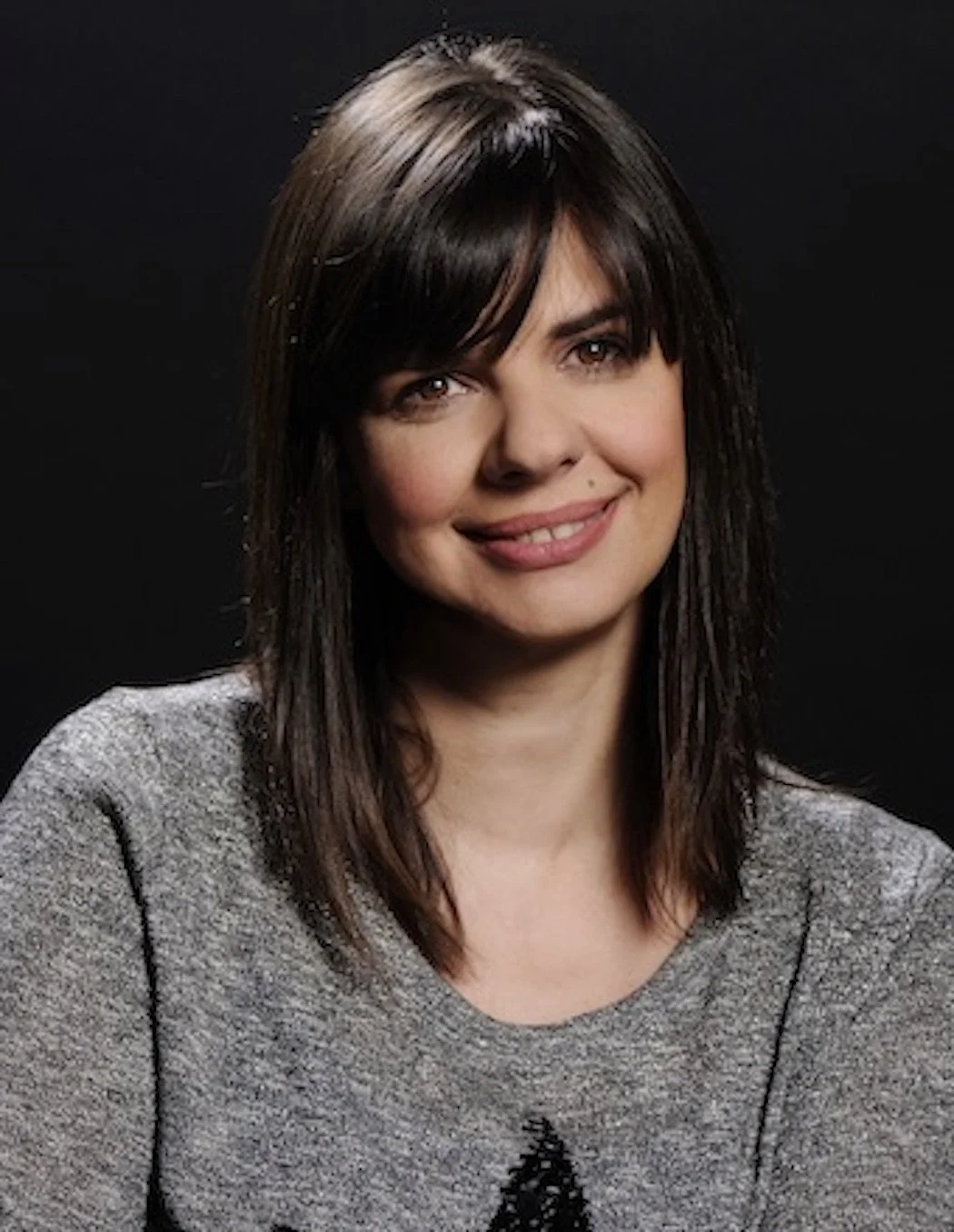
Amra Bakšić Čamo
Producer, SCCA/pro.ba (BA)
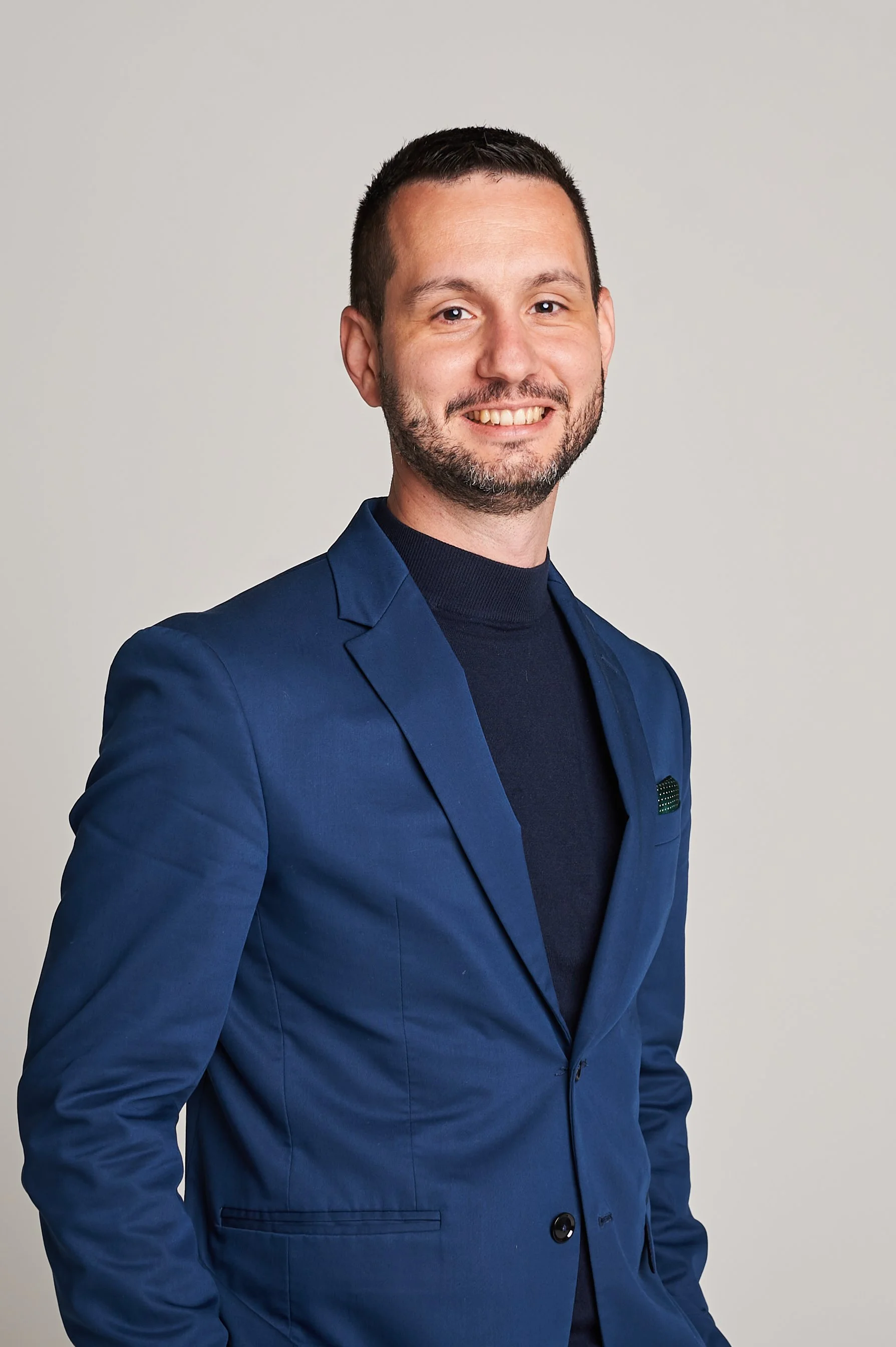
Alex Traila
Programme Manager Series Co-Productions, Council of Europe (FR)
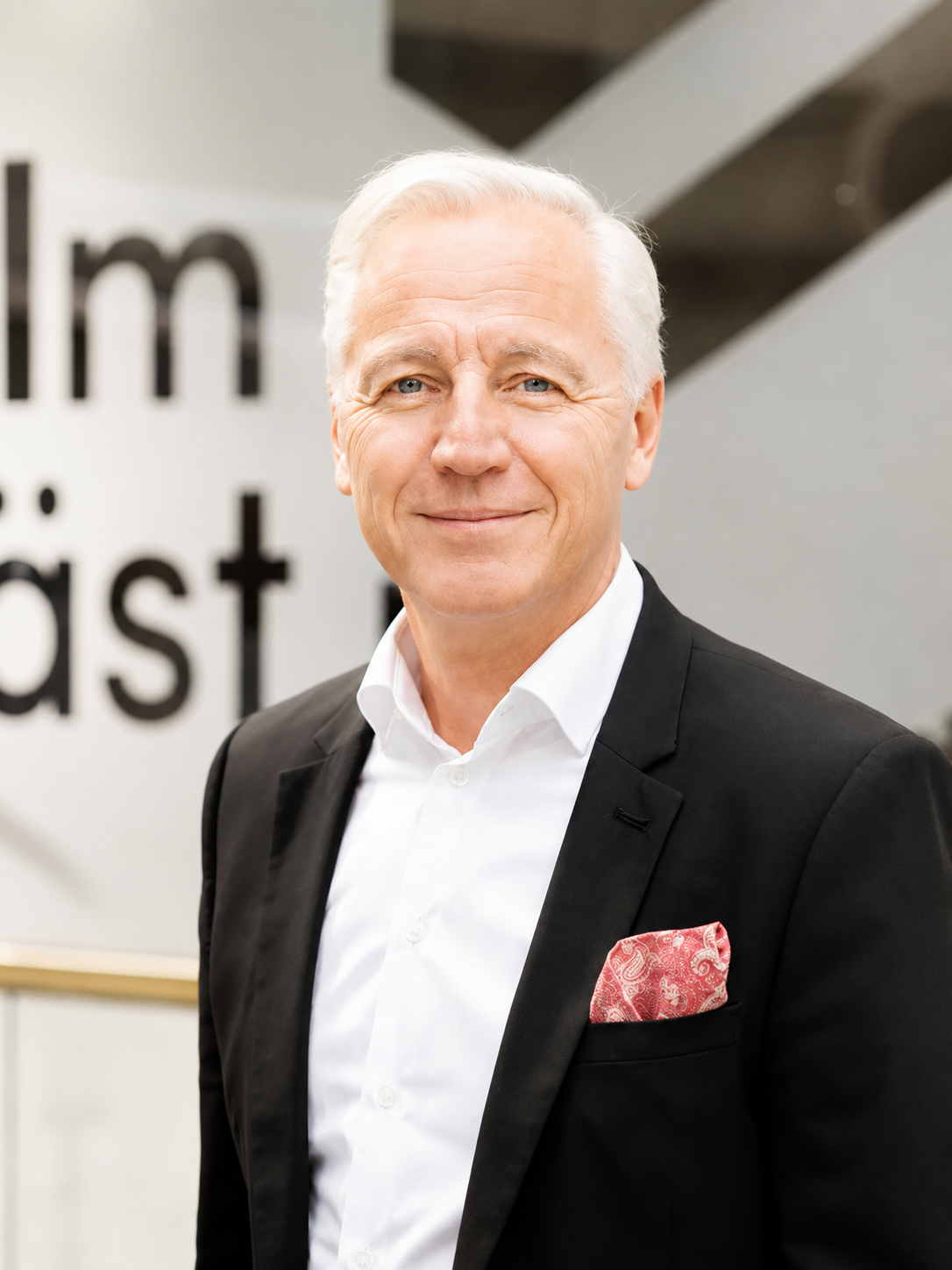
Mikael Fellenius
CEO, Film i Väst (SE)
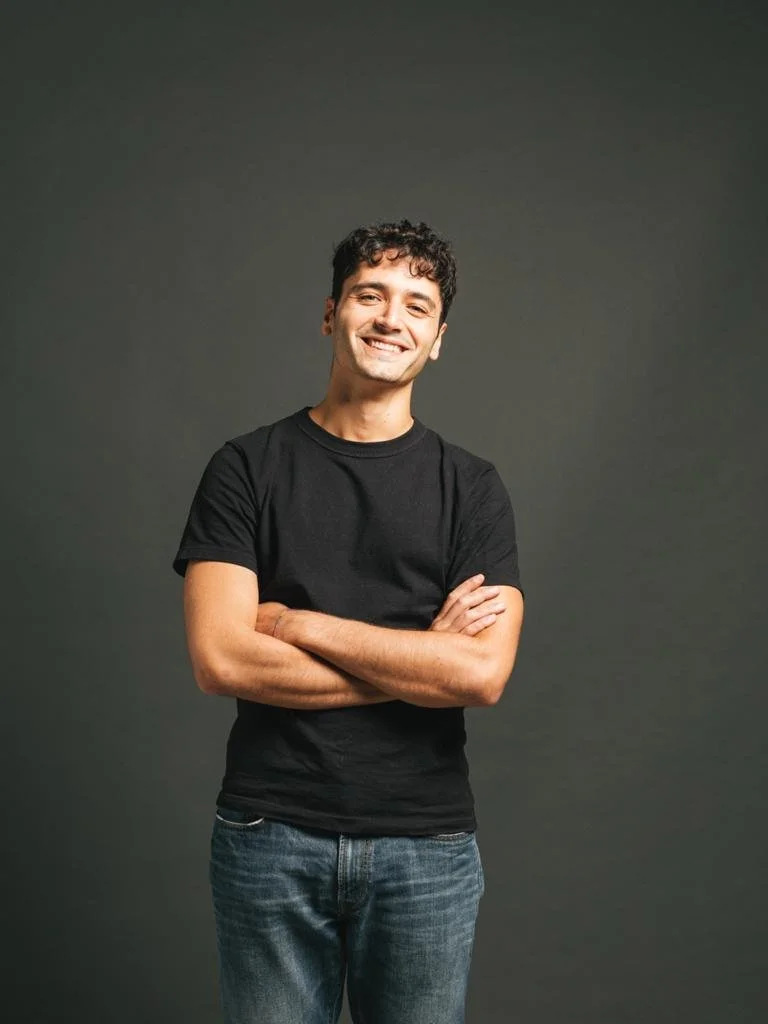
MODERATED BY
Lorenzo Biferale
Head of Research, KEA European Affairs (IT)
TIME
August 18th, 2026
16:30 – 17:30 (CET)
LOCATION
Festival Garden
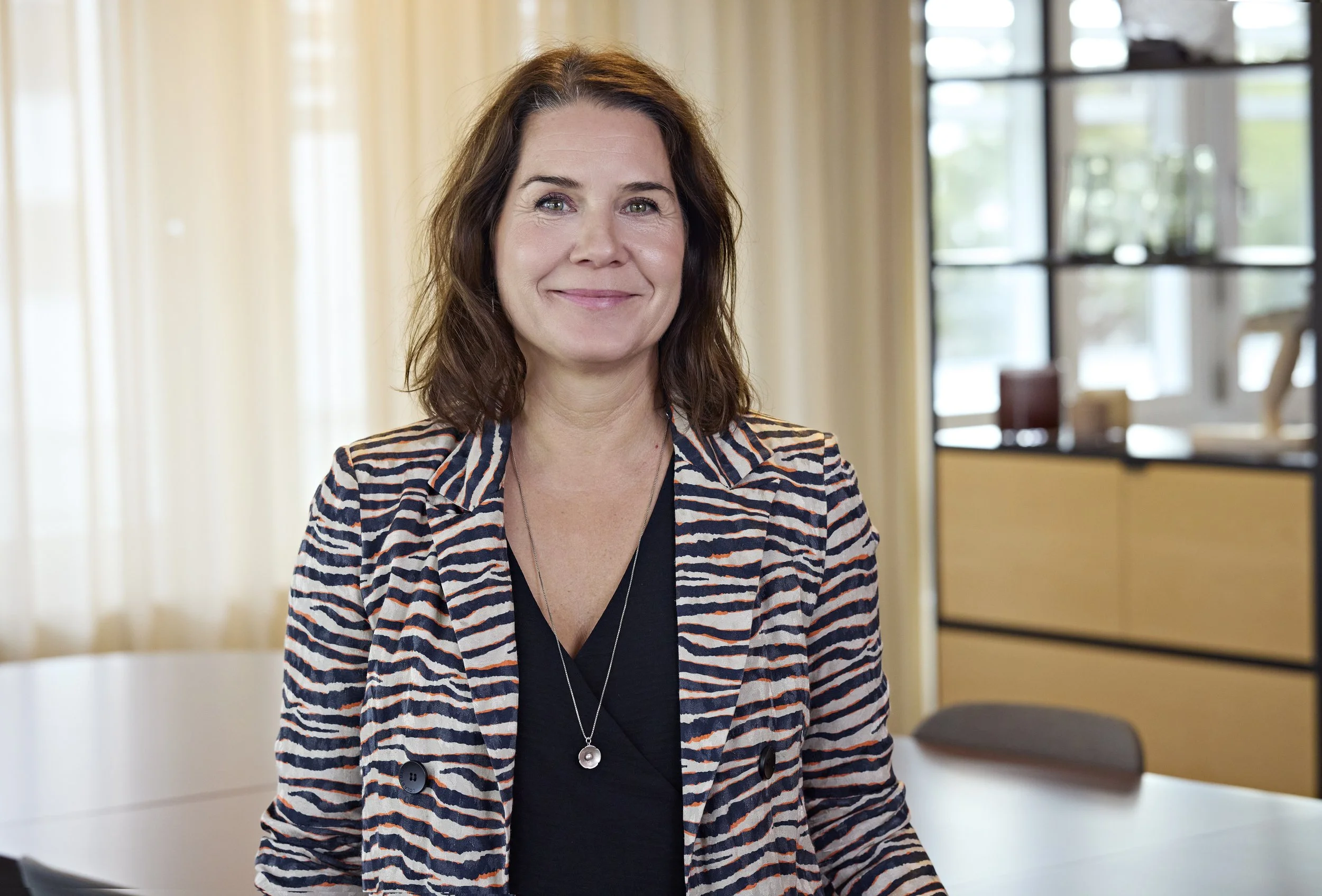
Johanna Gårdare
Johanna Gårdare is Head of Drama & Film at Swedish Television (SVT). She previously spent eight years as Head of the Children & Youth Department at SVT, where she led the major digital transformation of the children’s content in 2015 – a shift that moved the young audience to SVT Play and doubled viewership numbers. Gårdare is deeply committed to strategic change management and led the development of SVT’s new corporate strategy in 2022. She has a solid background as a producer in the industry and has worked across multiple genres, including documentary and fiction. Currently, she is spearheading a transformation initiative that involves the entire Swedish drama industry. The focus is on reclaiming drama series for a new generation and challenging the industry to find new ways of producing drama – less expensive, more conceptualised, and more experimental. What’s the next “splash”?
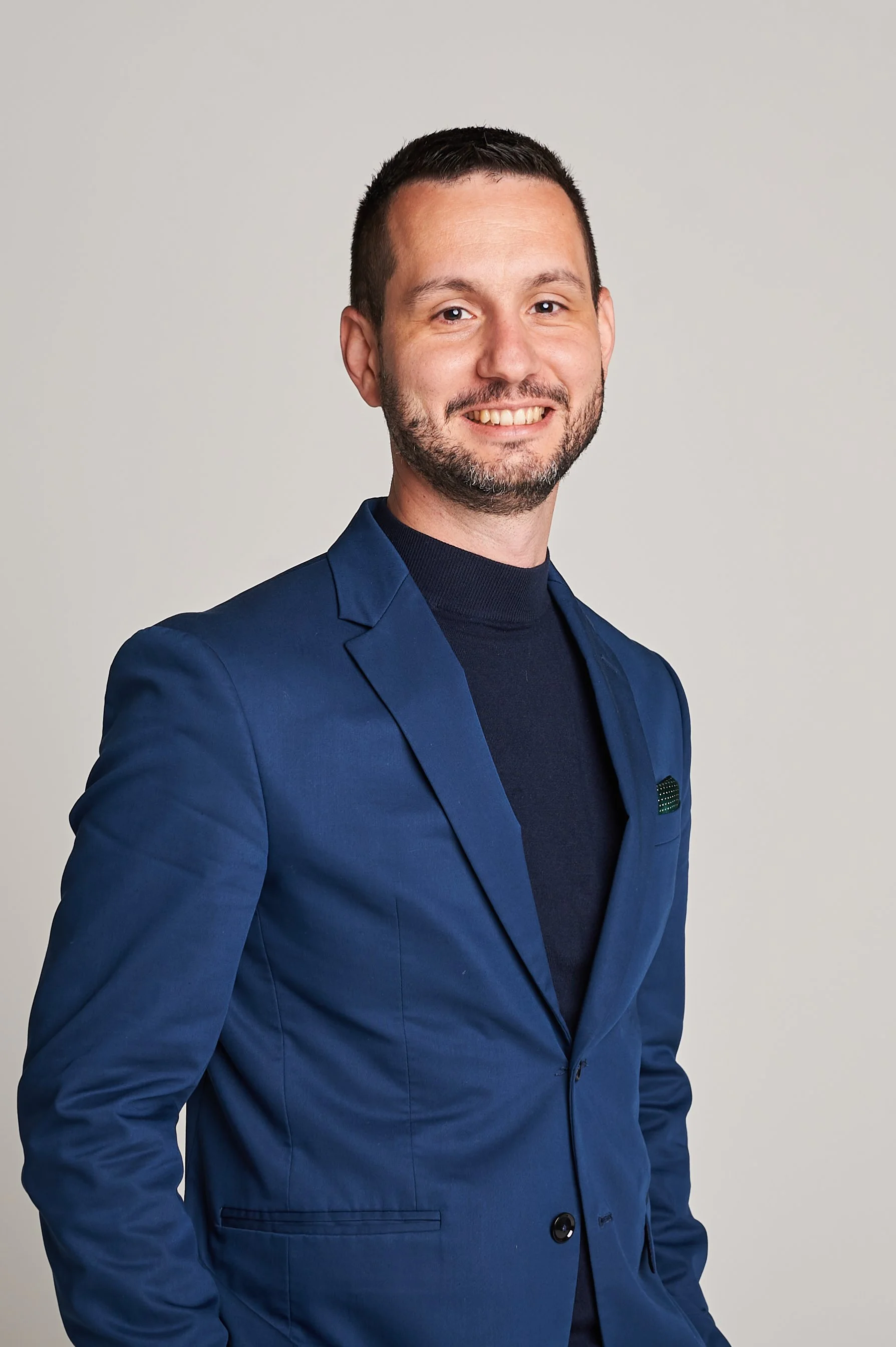
Alex Traila
Alex Traila holds a PhD in European audiovisual policy and is a European audiovisual policy expert with over fifteen years of experience in the film industry and in governmental affairs. His work is driven by a particular interest in audiovisual works that generate meaningful cultural impact and that contribute to cultural diversity and cross-border dialogue. He is currently Programme Manager for the Pilot Programme for Series Co-Productions at the Council of Europe, where he is actively involved in developing and implementing measures to strengthen the co-production practices of international series.
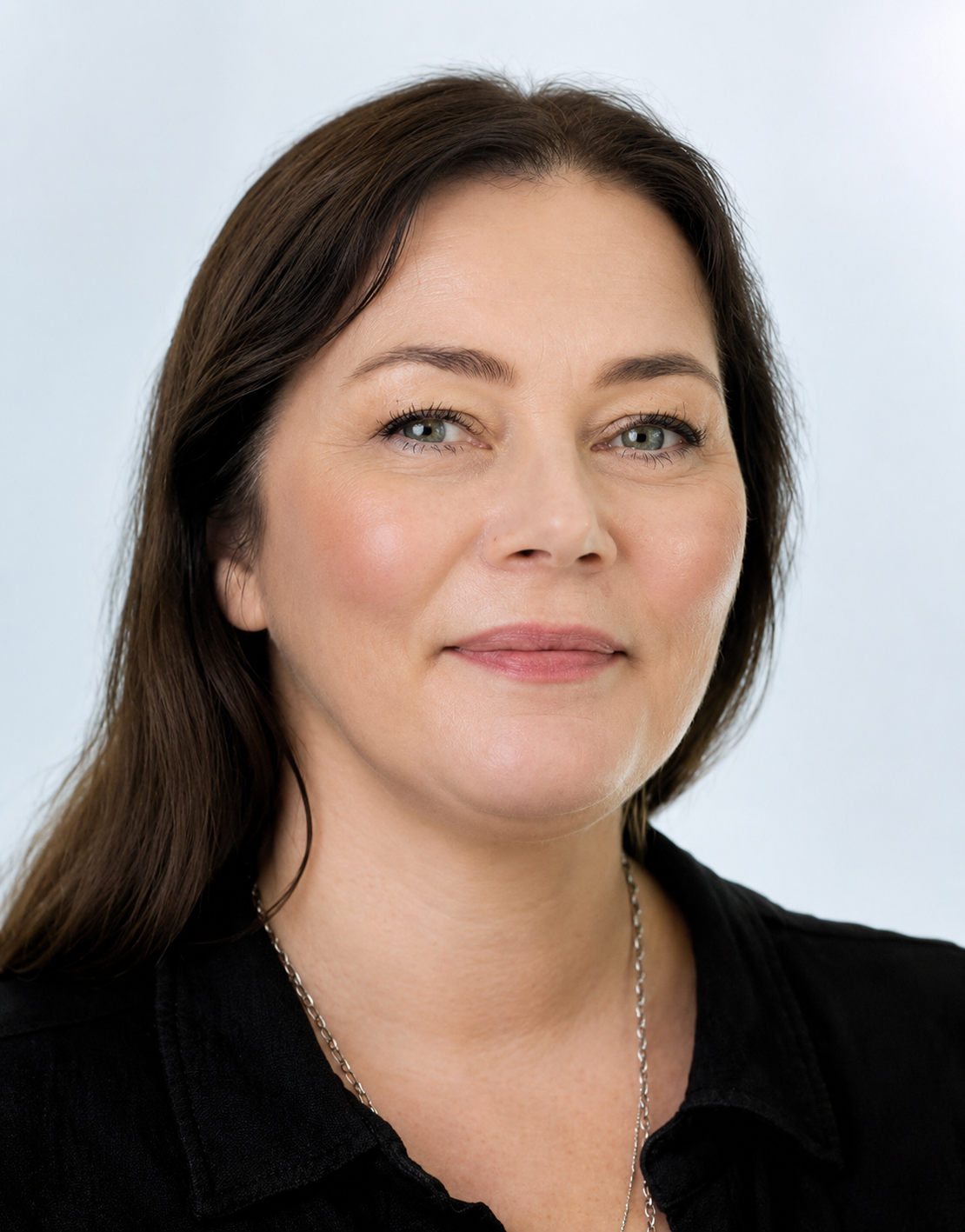
Marianne Furevold-Boland
Marianne Furevold-Boland is Head of Drama at NRK (the Norwegian Broadcasting Corporation), where she leads a talented team in developing and producing a diverse range of scripted stories. Throughout her career, she has been instrumental in several of NRK’s most acclaimed series, including Still Breathing, Powerplay, State of Happiness, Exit, So Long Marianne, A Better Man, and Requiem for Selina. She gained international recognition as the producer of the hit series SKAM, later overseeing its global journey as it was adapted in eight countries and counting. With a background spanning roles as a producer, script consultant, writer, and presenter, she holds a degree in acting from the Liverpool Institute for Performing Arts.
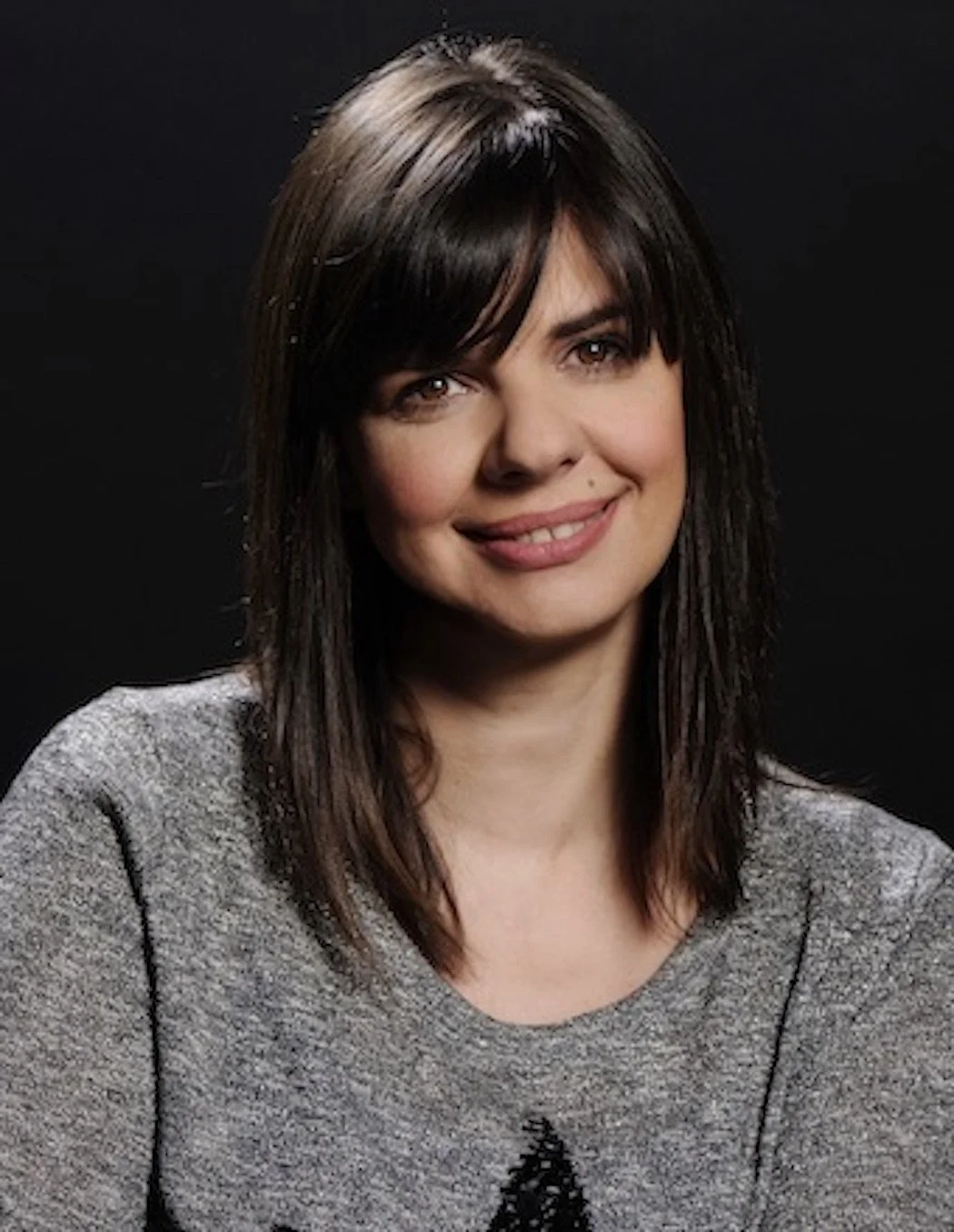
Amra Bakšić Čamo
Amra Bakšić Čamo is one of the founders of SCCA/pro.ba, an independent production company from Sarajevo. She has produced and co-produced award-winning short films, documentaries, TV programmes, and feature films screened at festivals such as Berlin, Locarno, Venice, Rotterdam, Cannes, and Toronto. "An Episode in the Life of an Iron Picker" (2013) and "Death in Sarajevo" (2016) by Danis Tanović both won the Grand Jury Prize at the Berlin International Film Festival. Nermin Hamzagić's debut feature "Full Moon" (2019) was nominated for European Discovery of the Year at the European Film Academy. She co-created, produced, and wrote the series "Kotlina" (2022– …), which won 5 Heart of Sarajevo awards for Best Regional Series. Una Gunjak's debut film "Excursion" (2023) received a Special Jury Mention in Locarno. She has also collaborated as co-producer with some of the most prominent regional filmmakers, including Srđan Golubović, Damjan Kozole, and Teona Mitevska, as well as with directors of Bosnian-Herzegovinian origin living and working around the world: Ena Sendijarević, Goran Kapetanović, and Igor Drljača.
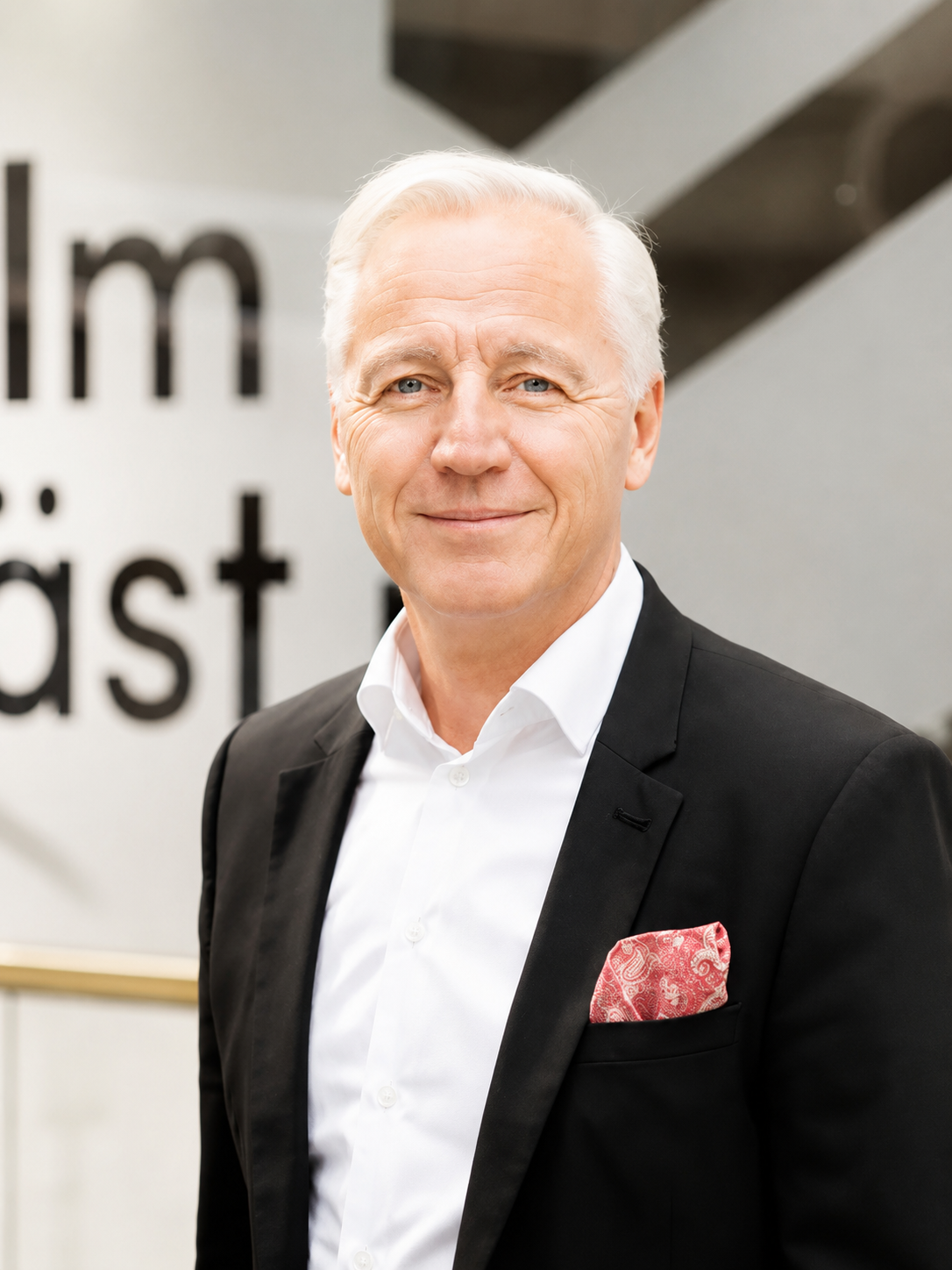
Mikael Fellenius
Mikael Fellenius is CEO of Film i Väst, business strategist, and author specialising in strategic planning, organisational development, and financing. He works at the intersection of public policy, business development, and the audiovisual industry, building international partnerships and developing sustainable financing models that strengthen film and high-end television production.
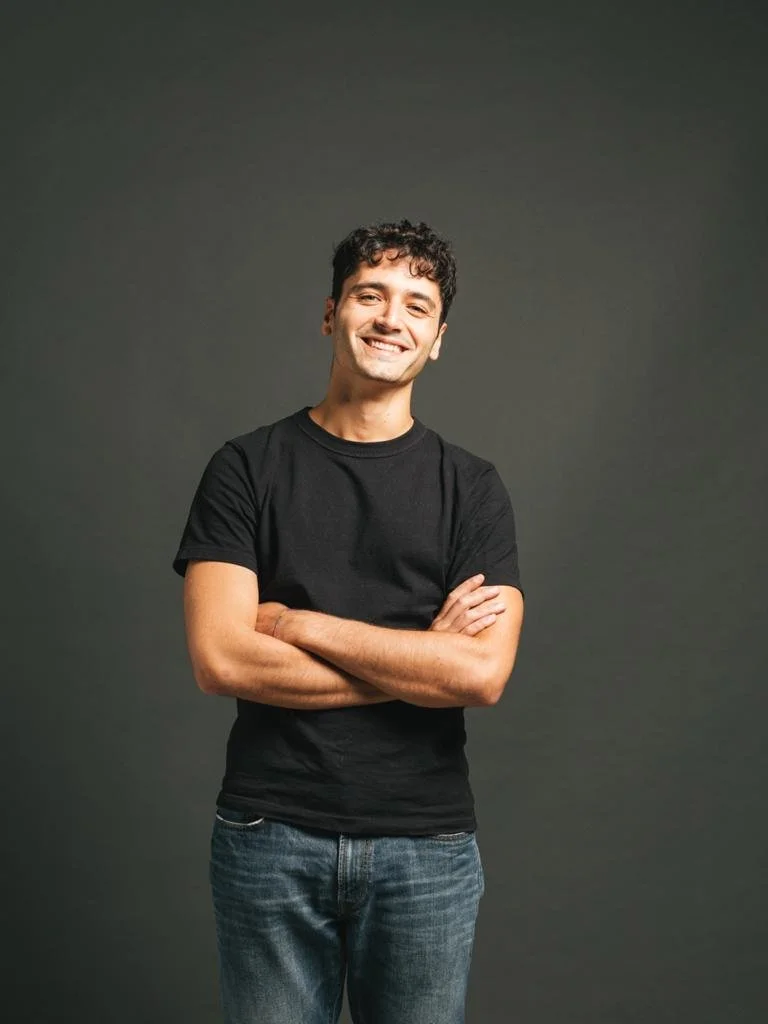
Lorenzo Biferale
Lorenzo Biferale is a researcher and cultural practitioner working at the intersection of economics, cultural policy, and creative practices. He holds a PhD in Economic Geography and Regional Science. He is currently a Research Associate in Creative Industries at the University of Sheffield, within the Creative Industries Policy and Evidence Centre, and Head of Research at KEA European Affairs. Alongside his research work, Lorenzo is the Founder and President of Quindici19, a youth-led cultural association that curates Duemila30, an international film festival and residency dedicated to social-impact storytelling. His work combines quantitative and spatial research with hands-on cultural management, focusing on cultural participation, inclusion, urban transformation, transnational collaboration, and the role of culture in fostering social change.